Theoretical Foundations
Inspiration
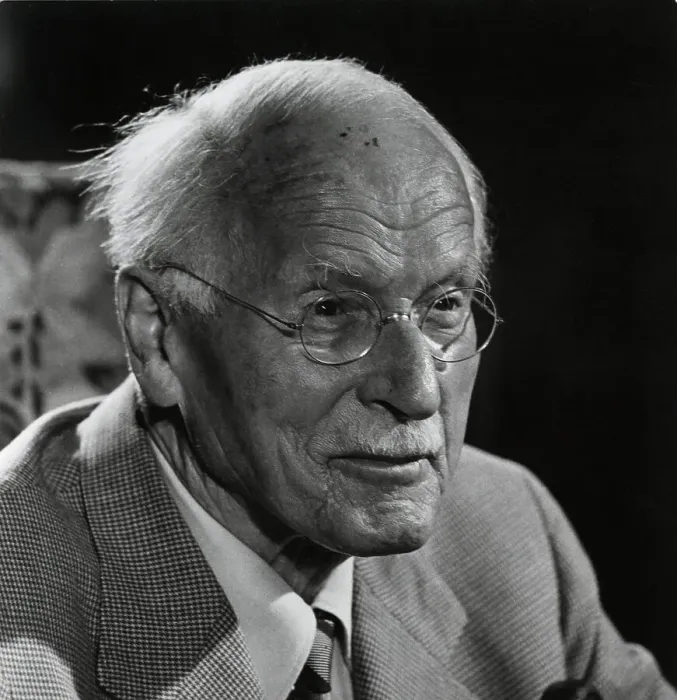 In this guidebook I interpret the meanings of the terms drawing on the analytical psychology of Carl Gustav Jung: the collective unconscious, the archetypes, the shadow, the anima and animus, the Self and the lifelong process of individuation. Marie-Louise von Franz, his closest collaborator, considered fairy tales the purest expression of the collective unconscious, and her interpretations run through these pages.
 Joseph Campbell’s monomyth and the answers given to it by Maureen Murdock and Maria Tatar are presented on the following pages. Clarissa Pinkola Estés, a Jungian analyst and cantadora, a keeper of old stories, explored feminine archetypes in Women Who Run with the Wolves and called women back to their instinctual nature.
Before them all, the anthropologist Arnold van Gennep showed in The Rites of Passage (1909) that births, initiations, weddings and funerals around the world share a common pattern: separation from the old state, a perilous in-between state and incorporation into the new. Victor Turner later called that in-between state liminality. Many of the cards can be read as stations on such a passage.
Alongside them I draw on the Bible, on Gnostic texts, on the mystical traditions of East and West, and on the myths and fairy tales of many peoples, among which a special place belongs to the Serbian tales and songs collected by Vuk Karadžić and the Russian tales recorded by Alexander Afanasyev.